Get in Touch with Liehuang Company

Used Excavator Solutions for Global Equipment Buyers
Liehuang provides verified, refurbished used excavators to importers and dealers worldwide – every major brand, mini to heavy, loaded and shipped from China to your port.
Request an Export Quote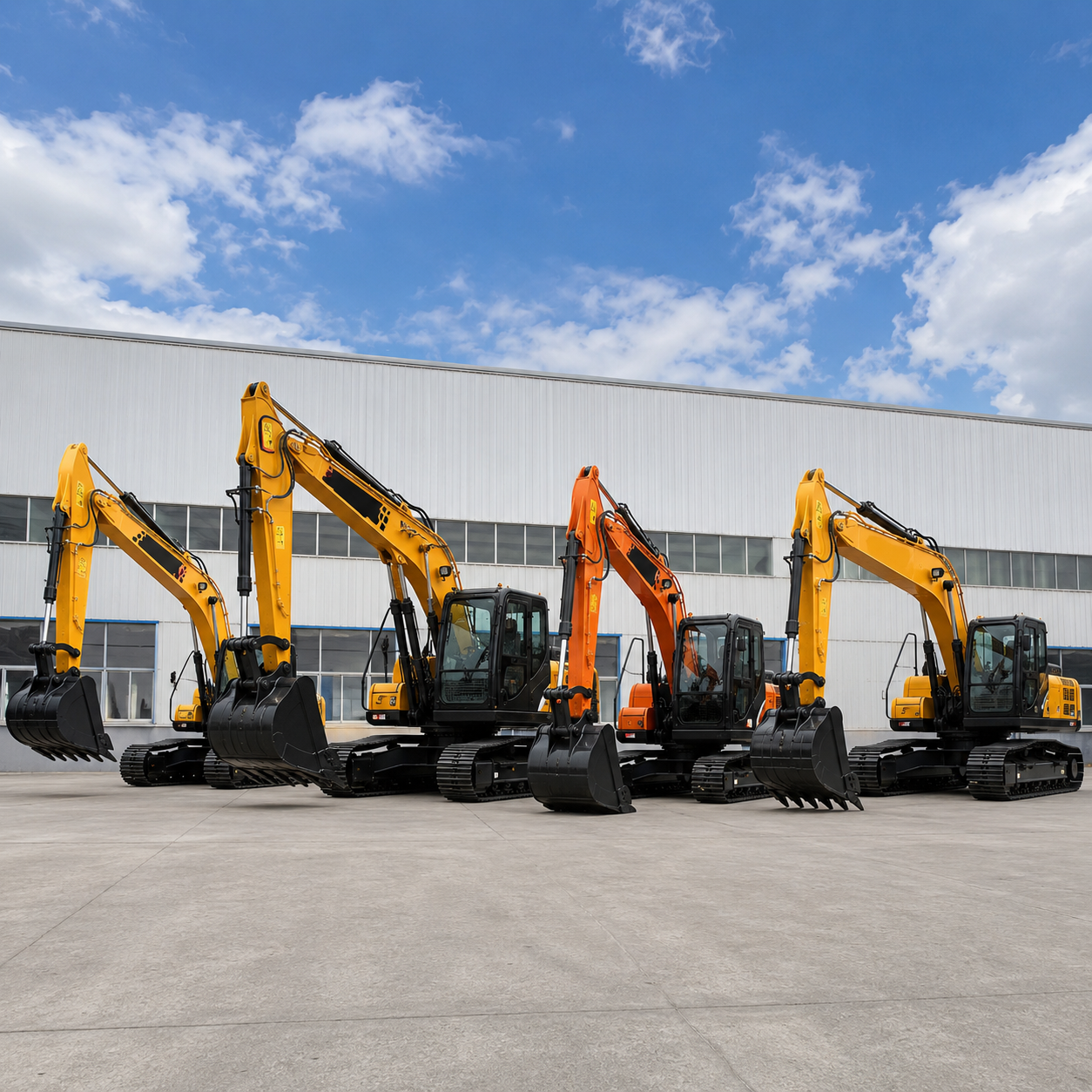
- 9 Top brands stocked
- 0–50t Mini, medium & heavy classes
- 6-stage Pre-shipment inspection protocol
- 40+ Destination countries served
- Balance-on-inspection Buyer-protective payment
- Container & RoRo Loaded to your port
Sourcing Reliable Used Excavators Overseas, Without The Usual Risk
Buying a used excavator for sale from another country should be straightforward, yet most importers have heard the same nightmares: a 30% deposit wired away to a supplier who then vanished, or a digger showing up that is a ghost of its pictures. One heavy-equipment forum thread put it bluntly: “the machines arrived, they were fakes.” A used excavator (also called a digger, trackhoe, or second-hand earthmover) is a high-value purchase exposed to scams, and the distance that makes Chinese pricing attractive is the same distance that makes due diligence hard.
Is it safe to buy used excavators from China? Yes, but only with the right safeguards in place.
Independent data shows roughly 1 in 12 first-time buyers hits a fraud event on a first overseas order, a rate that drops to about 1 in 80 once third-party verification and inspection are part of every deal.
Liehuang was built to fill that trust gap. We’re a second-hand heavy machinery exporter based in China – crawlers and wheel excavators plus the attachments – and our clients are importers and distributors selling on into local markets. So we can’t just stock good used excavators; we’ve to give you assurance on condition before the balance payment, ensure loading at port is done right, and supply the paper work required for import customs. We demonstrate exactly how on the remainder of this page, including our full 9-brand export inventory by tonnage, the thorough inspection process we apply, honest cost-breakdowns, container-loading data, and all the export logistics that follow every deal.
The core safeguards — independently verified inspection, video walkthroughs of machines in stock, balance due only on satisfactory inspection, and contactable references — are standard on every Liehuang order, not extras.
Whether you are searching for a used excavator for sale in China, weighing a chinese excavator for sale against a used excavator for sale in Europe, or building a resale fleet, the question is the same: can the condition be trusted before the money moves?
INQUIRE ABOUT SAFEGUARDS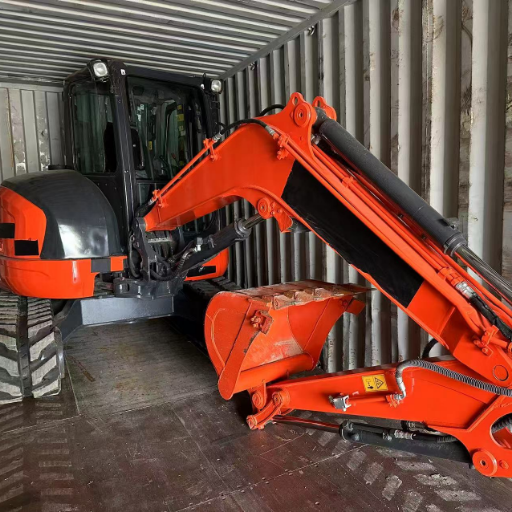
Our Used Excavator Inventory: 9 Top Brands, Tonnage Classes & Popular Models
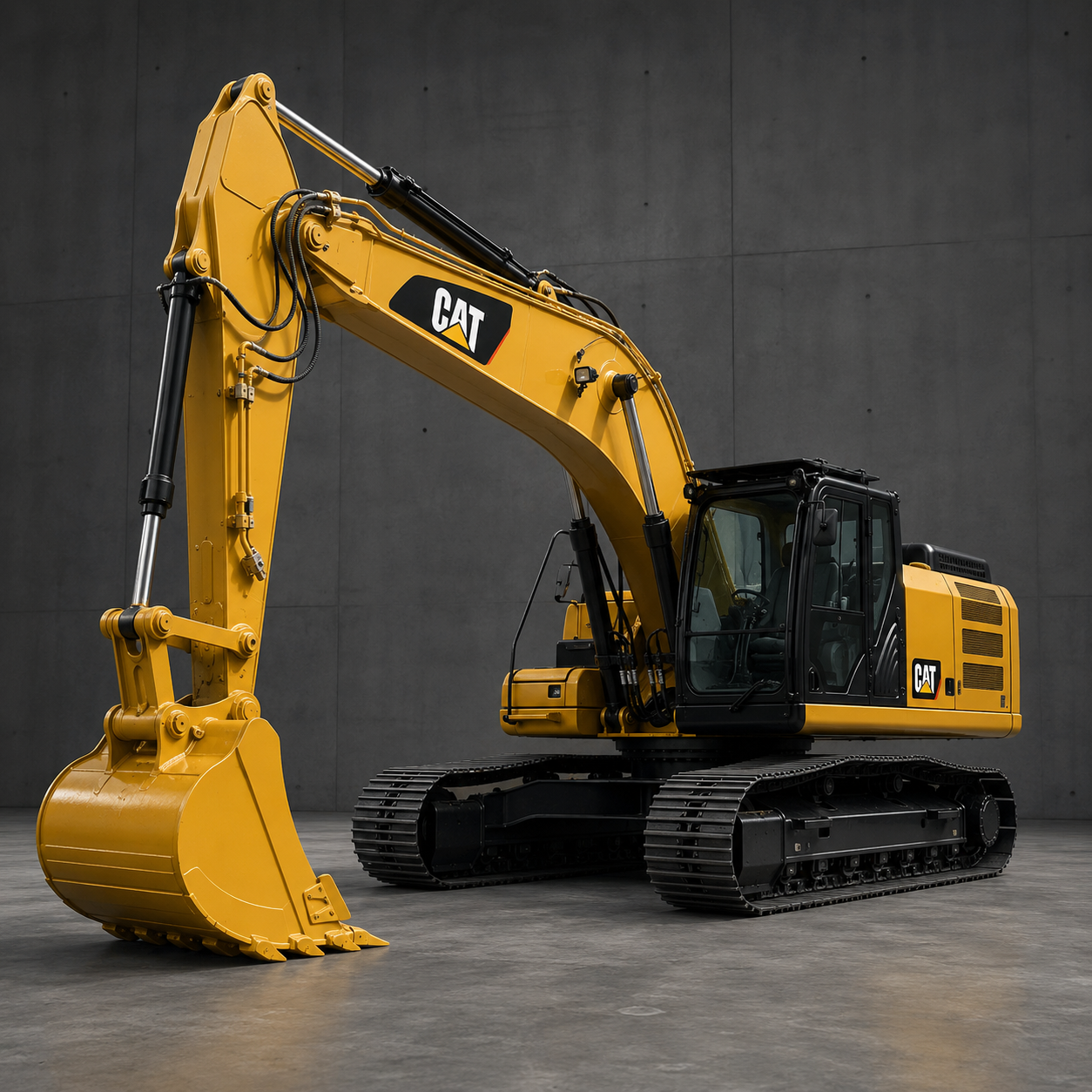
The quickest way to narrow down choices for your purchase is brand and capacity. We stock the makes trusted around the world that our clients ask for – indeed, the reputation of Japanese-built iron (Hitachi, Komatsu, Kobelco) is very real, which is why they join our inventory alongside Caterpillars and strong, value-oriented Chinese and Korean brands. The matrix below, the “9-Brand Export Inventory,” lays out all of the brands we’ve on hand, what they’re renowned for, and popular models in demand.
Caterpillar
Global parts depth; CAT 320, 330, 336 crawlers are the export workhorses.
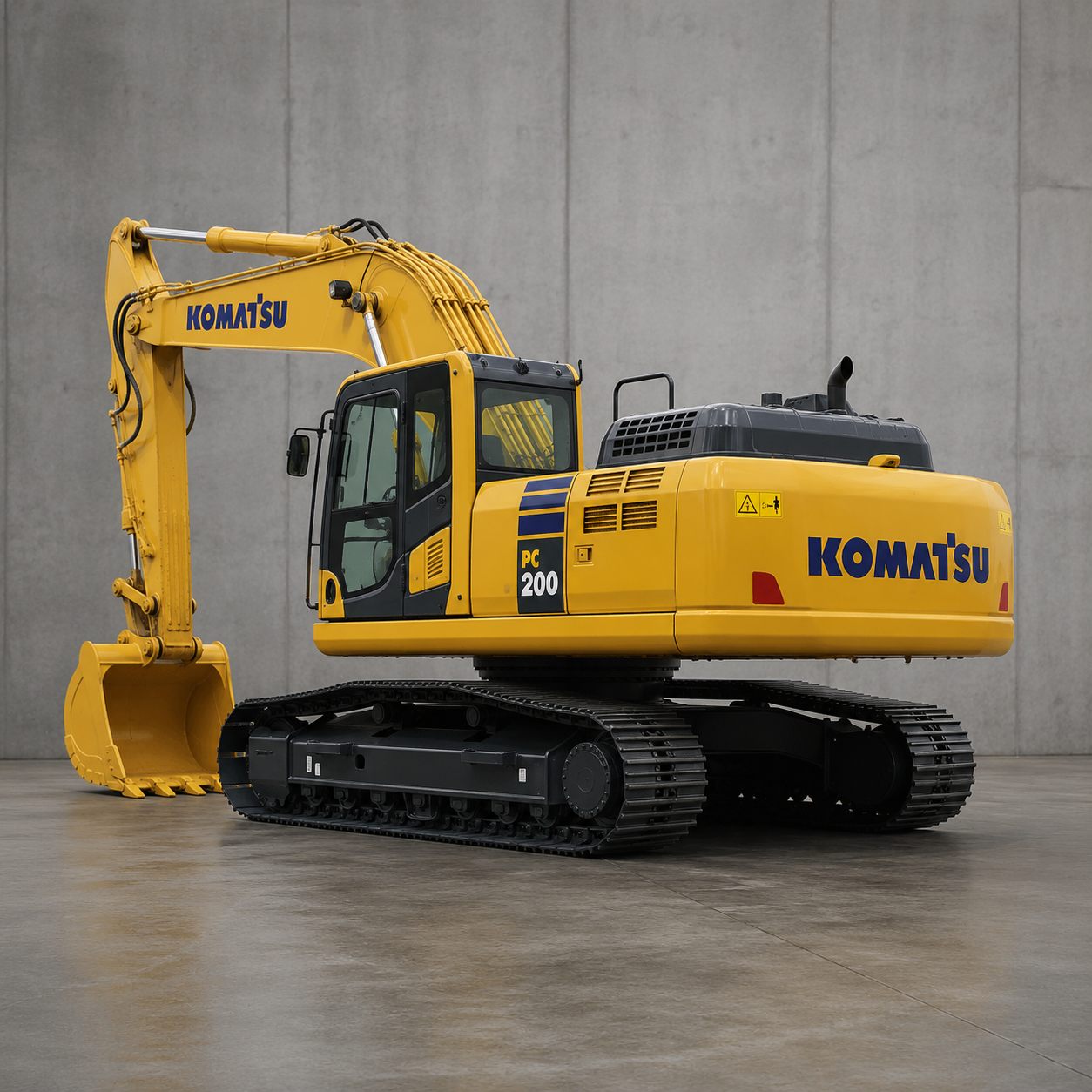
Komatsu
PC200/PC300 series; durable hydraulics, strong resale value.
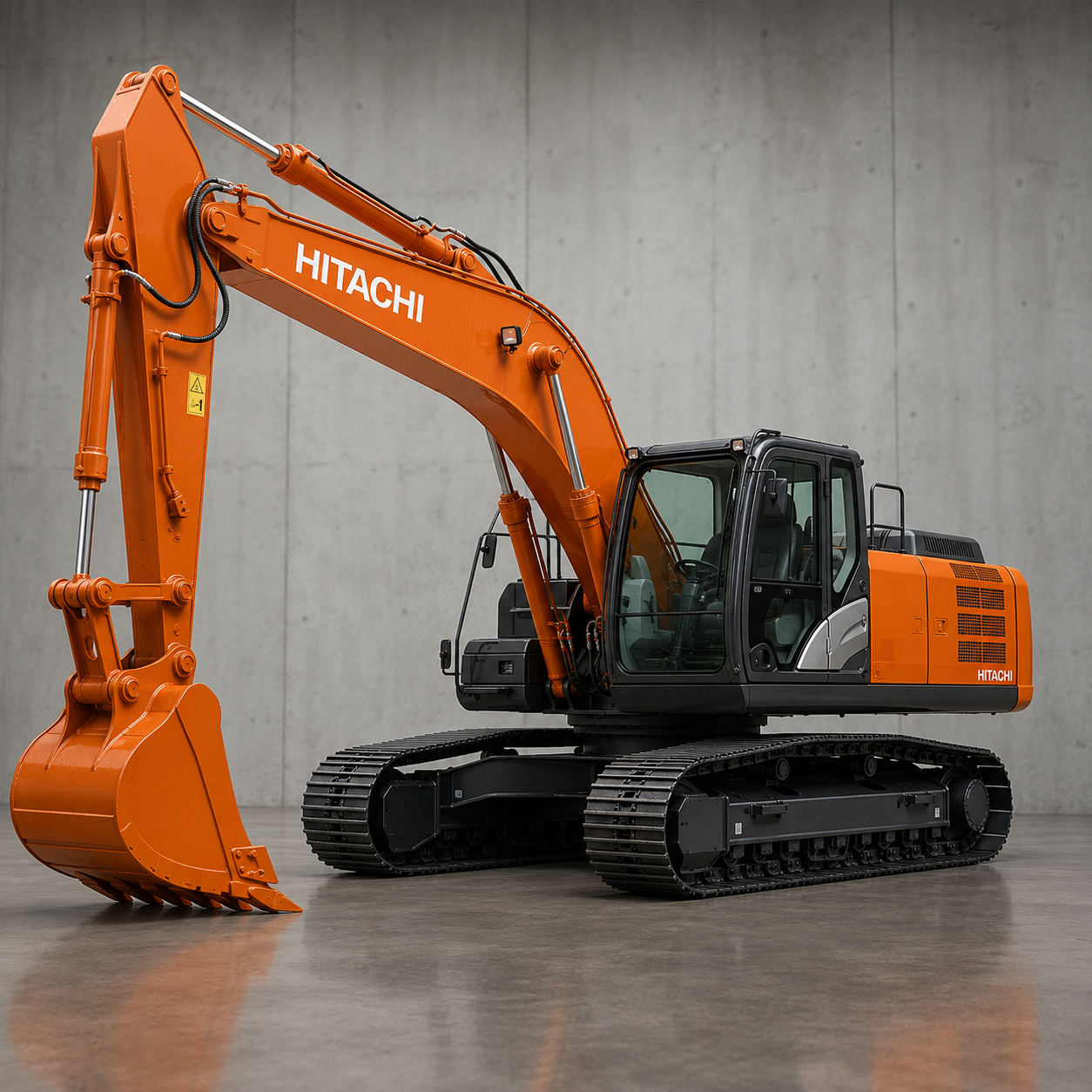
Hitachi
ZX200/ZX350; prized for smooth, precise control.
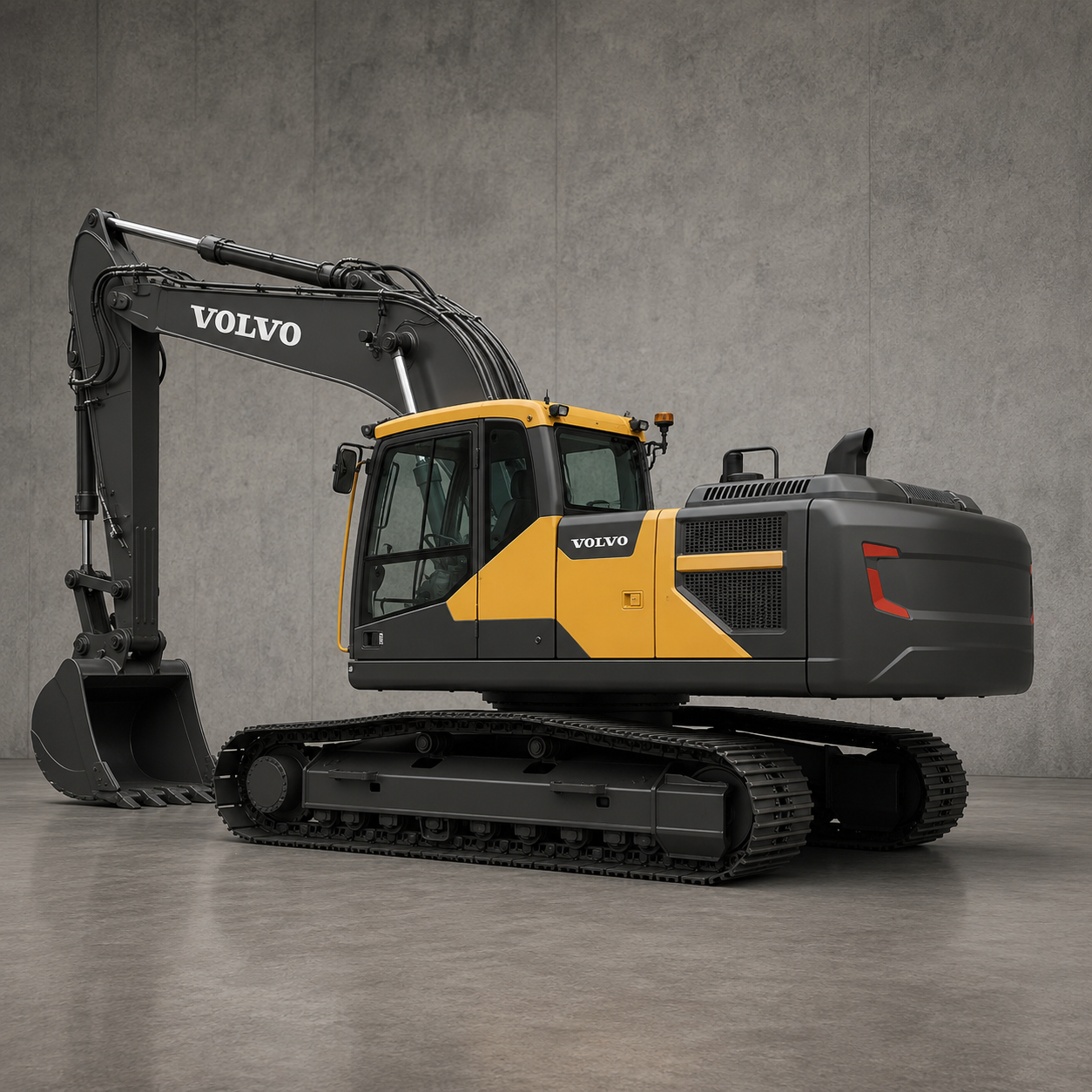
Volvo
EC210/EC290; fuel efficiency and operator comfort.
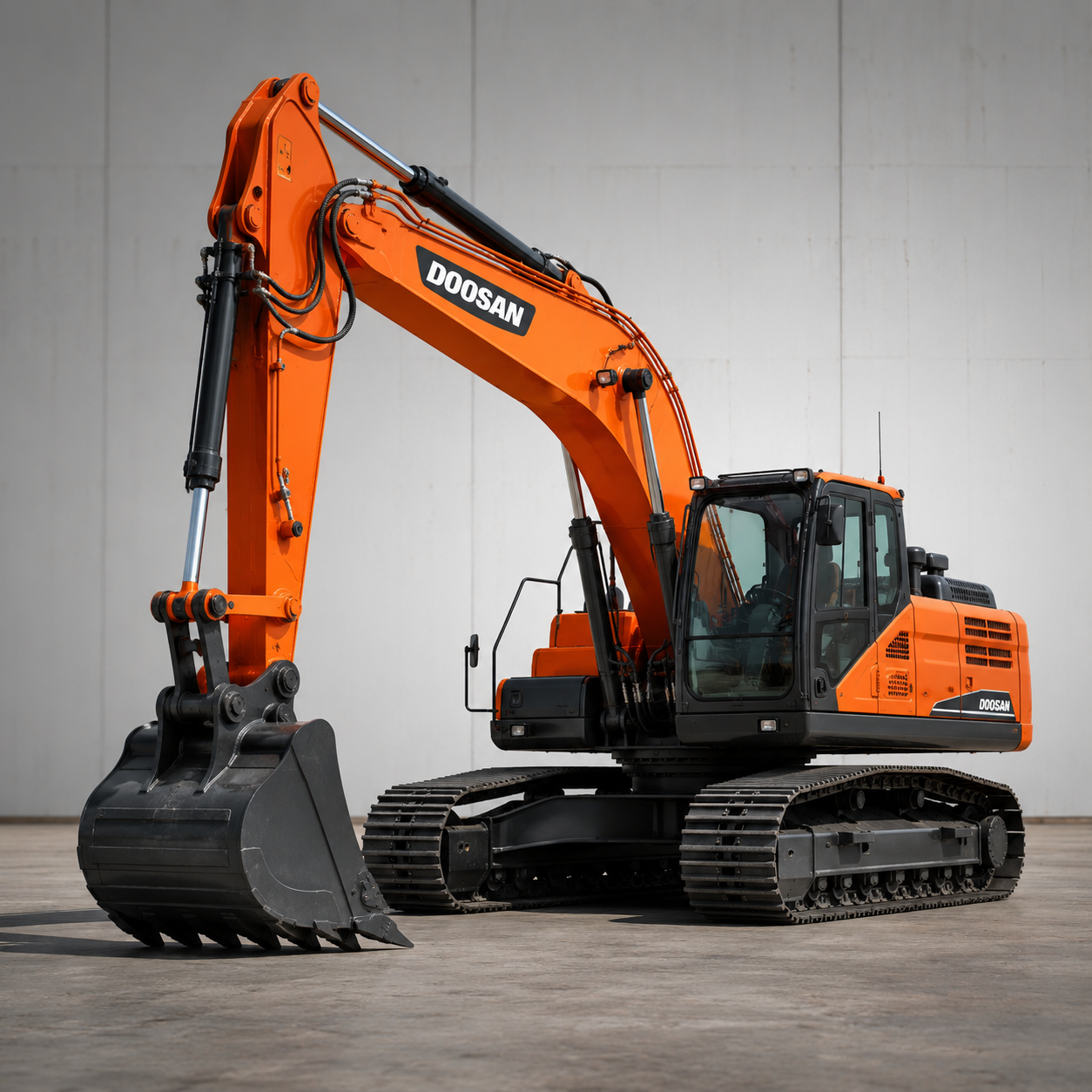
Doosan
DX series; value-priced heavy-duty performance.
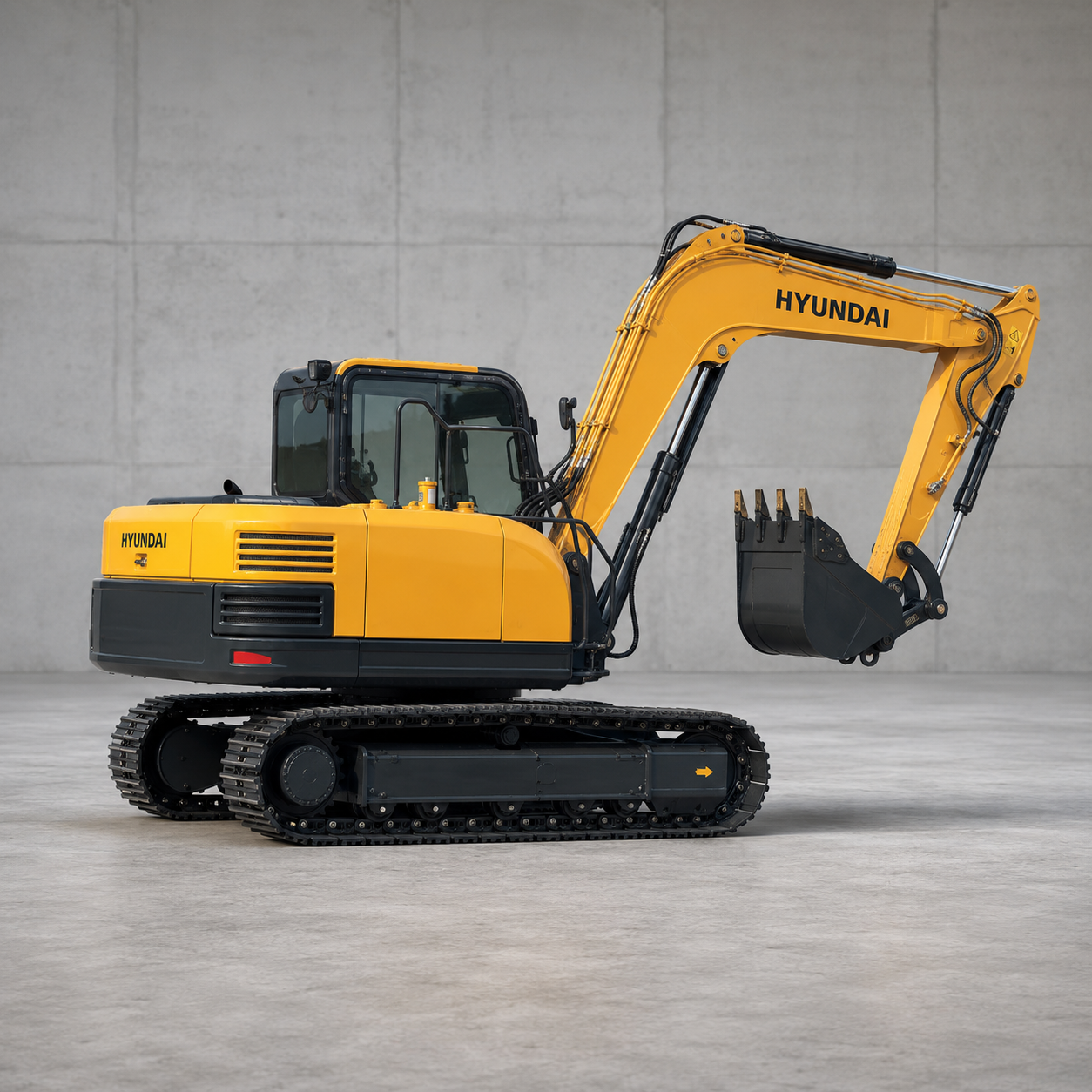
Hyundai
R-series; competitive pricing in every tonnage class.
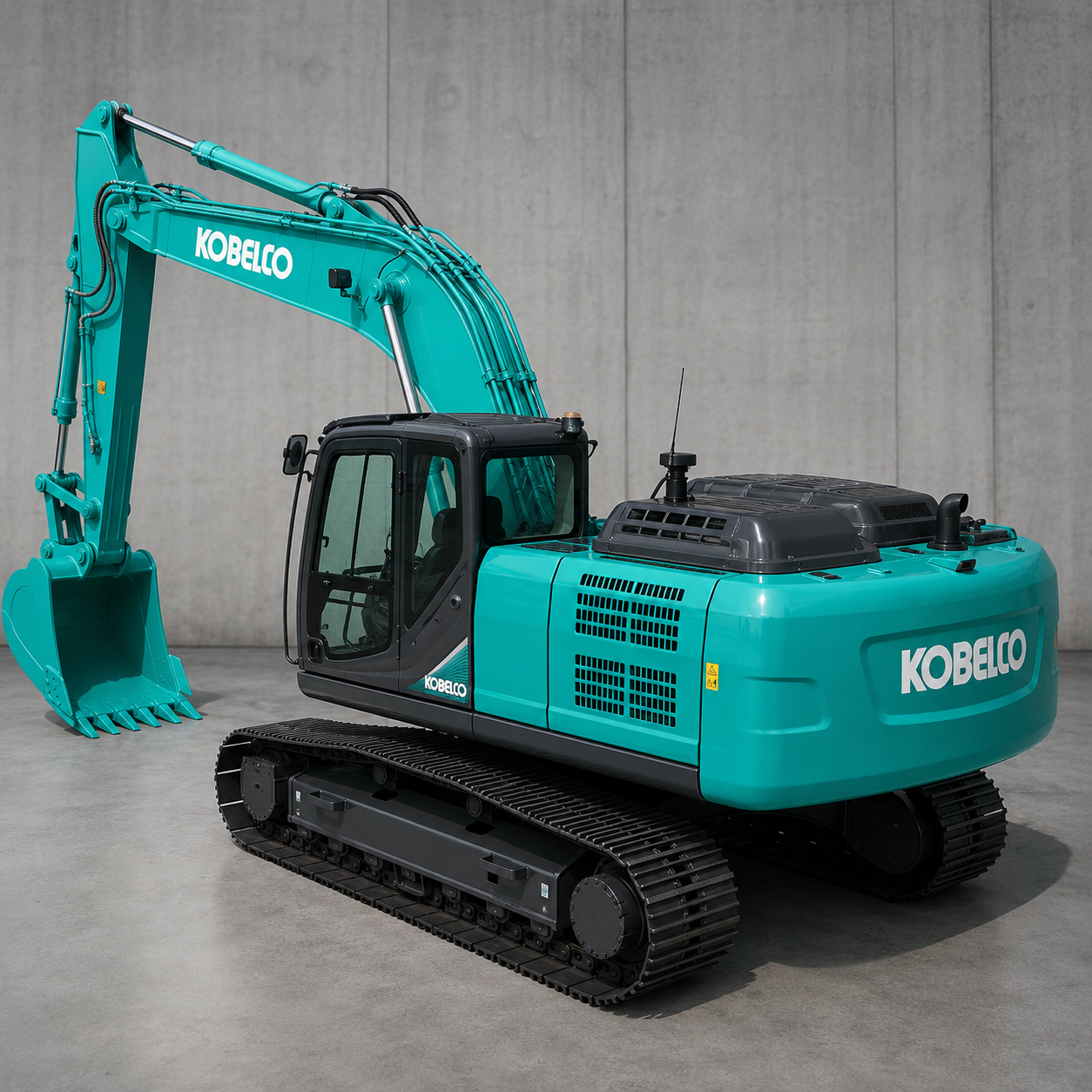
Kobelco
SK series; quiet, low-fuel crawler excavators.
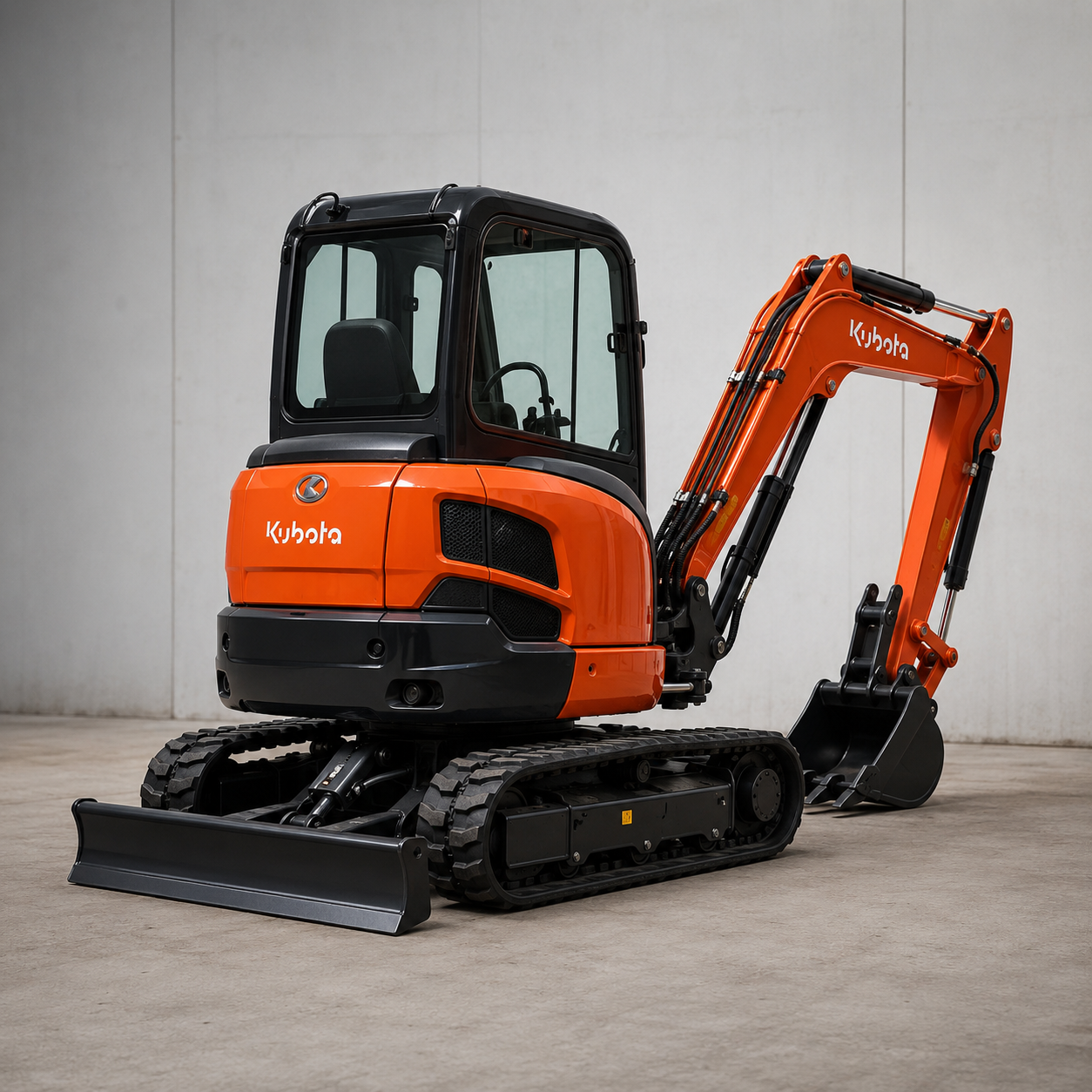
Kubota
Mini excavators; the parts-availability favorite for compact work.
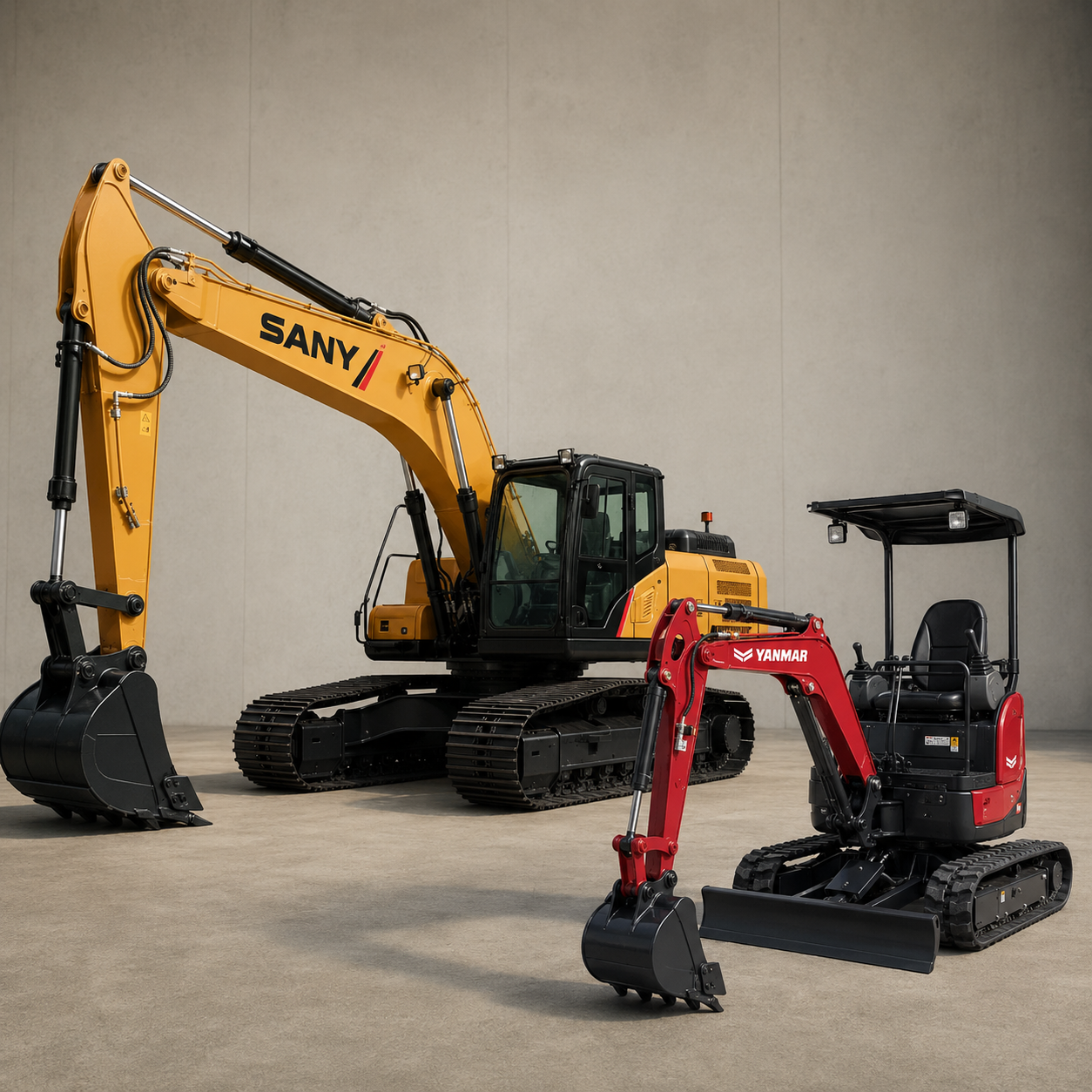
Sany / Yanmar
Sany large crawlers & Yanmar minis — budget-entry options.
Tonnage Classes & Capabilities
Tonnage determines a machine’s practical limitations and capabilities on site. Small excavators are for landscaping, utility trenching and tight city access; medium sized are general duty for construction and infrastructure; heavy excavators are for heavy industry, mass excavation and demolition. Numbers beneath outline where a category belongs and its likely reach, providing precise metrics instead of loose qualitative assessments.
| Class | Operating weight | Approx. dig depth | Built for | Typical buyers |
|---|---|---|---|---|
| Mini / compact | 0–10 t | ~5–15 ft | Landscaping, utility & sewer trenching, foundations, light demolition | Landscapers, plumbing/utility contractors |
| Medium | 10–30 t | ~20–24 ft | Commercial building, road & bridge work, heavy trenching, demolition | General & municipal contractors |
| Heavy | 30 t+ | ~26–32 ft | Mining, quarrying, mass earthmoving, pipeline, large demolition | Mining, civil & pipeline firms |
The dig depth bands published above reflect the broad classification guides from excavator manufacturers. Exact depths vary per machine model. A key benefit of buying used, is the capacity for an excavator doesn’t change with the manufacturer and, most importantly, time – the 20-tonne machine you buy now, which has just rolled off its two year mark will deliver the same trench dig as it will, five years down the line. So with the versatility to perform demolition, foundations, debris handling and full excavation through the season, with a choice of a full accessory range (including buckets, breakers, grapples and augers), purchasing one used machine alone covers many operational needs of a contracting firm.
Liehuang sizes every recommendation to the job, because the wrong tonnage is an expensive mistake, a 30-ton crawler stranded on a landscaping site burns fuel and access budget, while an undersized mini stalls in rock and risks a cracked boom. Unlike a single-brand dealer, we hold compact excavators for sale alongside heavy iron, so the match follows your work and your market, not whatever happens to sit on one lot.
Every Machine Inspected & Refurbished: The Liehuang 6-Stage Export Inspection Protocol
The most repeated complaint about used machinery isn’t price, it’s condition that doesn’t match the listing. An industry survey found 30% of buyers who imported used construction equipment reported a gap between advertised and actual condition, and 15% needed major repairs within three months. The cause is simple: most sellers advertise one hour-meter number and call it diligence. Hours alone lie. Our protocol replaces that single number with documented evidence, because a machine that fail on arrival costs an importer the purchase price, the freight, and the resale relationship behind it.
Any purchase should consider how two meters are functioning for excavators, as opposed to just one. For instance, an individual can work between 15,000 to 25,000 hours out of a well made diesel, as standard in a build 10,000 to 15,000 hours. With a used tracked excavator, the maximum hours would run to just over 6,000 in normal service, but this reduces as low as 2,500 in extreme work involving heavy rock or demolition work. For a tracked excavator this is essential to consider as the underside of a machine can cost nearly half of lifetime costs of maintenance-the greatest maintenance component on this vehicle. A 6,000 hours advertised will likely have a good engine but may require some attention to the Underside of the machine, whereas a well maintained 12,000-hour excavating machine could still be the soundest value buy.
We reject machines other yards would happily list. A 4,000-hour excavator that was beaten to death is a worse buy than a 12,000-hour machine that ran like a watch, so we grade undercarriage wear and hydraulic health on every unit, not just read the meter.

01
engine & diesel system
cold start, smoke colour, compression behaviour, oil & coolant condition, leak check.
02
hydraulics
cylinders, hoses, pumps & valve blocks tested under load; drift, jerky movement & seal leaks noted.
03
undercarriage
track tension, rollers, idlers, sprockets & pad wear measured (not eyeballed), % wear recorded.
04
hours & history
hour-meter photographed, cross-referenced against wear & any records found; manufacture year confirmed.
05
full-function test
travel, swing, boom, arm & bucket tested; slew-bearing play & final-drive oil checked.
06
pre-shipment & documentation
structural/weld check, serial-plate verification & photo-and-video condition report specific to that machine.
Used vs. New vs. Local Dealer: Where a China Exporter Delivers More Value
The used advantage isn’t about the “sentimental value” of something new, it’s about the depreciation curve. New equipment loses more than 50% of its value in the first 7 years and it’s all weighted heavily towards the start. Buying the best quality used equipment skips this initial big drop and means more profit margins or stock depths in the importer’s hands.
The question facing an international buyer is seldom purely “New versus Used”. It’s between a Chinese exporter like us, a local market dealer or an online auction site, and this is what we’ve mapped below.
32%
of a new crawler excavator’s value is lost in its first three years — the depreciation an importer avoids by buying used and selling on at retail.
Source: CONEXPO-CON/AGG, citing Sandhills Global / Machinery Trader valuation data (2020). A further ~23% is lost in years 3–7.| Factor | New machine | China exporter (Liehuang) | Local in-market dealer | Online auction |
|---|---|---|---|---|
| Unit price vs. new | baseline | ~40–60% less | ~20–35% less | variable, lowest sticker |
| Brand / model choice | current models only | wide, multi-brand stock | limited local stock | luck of the listing |
| Pre-purchase inspection | n/a | 6-stage + report + video | dealer walk-around | often “as-is”, no test |
| Condition proof before pay | n/a | yes, balance-on-inspection | in person | rarely |
| Export loading & docs | buyer arranges | handled to your port | buyer arranges | buyer arranges |
A savings in purchase price of 40-60% versus new is an estimate and applies on average to a collection of machines, not an individual unit – we don’t try to hide that behind the “amazing deal!” language used by some of the slicker sellers. Certainly a new machine offer the protection of factory warranty and few initial failures, and that’s a strong counterargument. Buyers choose a trusted and experienced exporter over those considerations because the avoided depreciation is more than the cost of the lost warranty, assuming the used equipment is in real condition. Everything on this page, from the inspection process to the third-party inspection offer, exists to document and share that reality openly.
Bulk Procurement Guide: MOQ, Container Loading, Price Guide & Payment
The number that will kill more import deals than any other number in the universe isn’t the price of the units. It’s the landing cost. Take for example this well-documented case of a $13,800 machine quote that stated, “CIF $3,200.” The machine arrived from abroad and ended up costing in $2,116 and additional charges (terminal handling, customs duty, local charges, drayage, demurrage) $19,116 where the estimate was for $17,000, since landed costs can easily add 30-50% onto the unit cost. That’s why the Container-Fill & Landed-Cost Planner was developed, so importers know before they buy what the actual landed cost will be, not after.
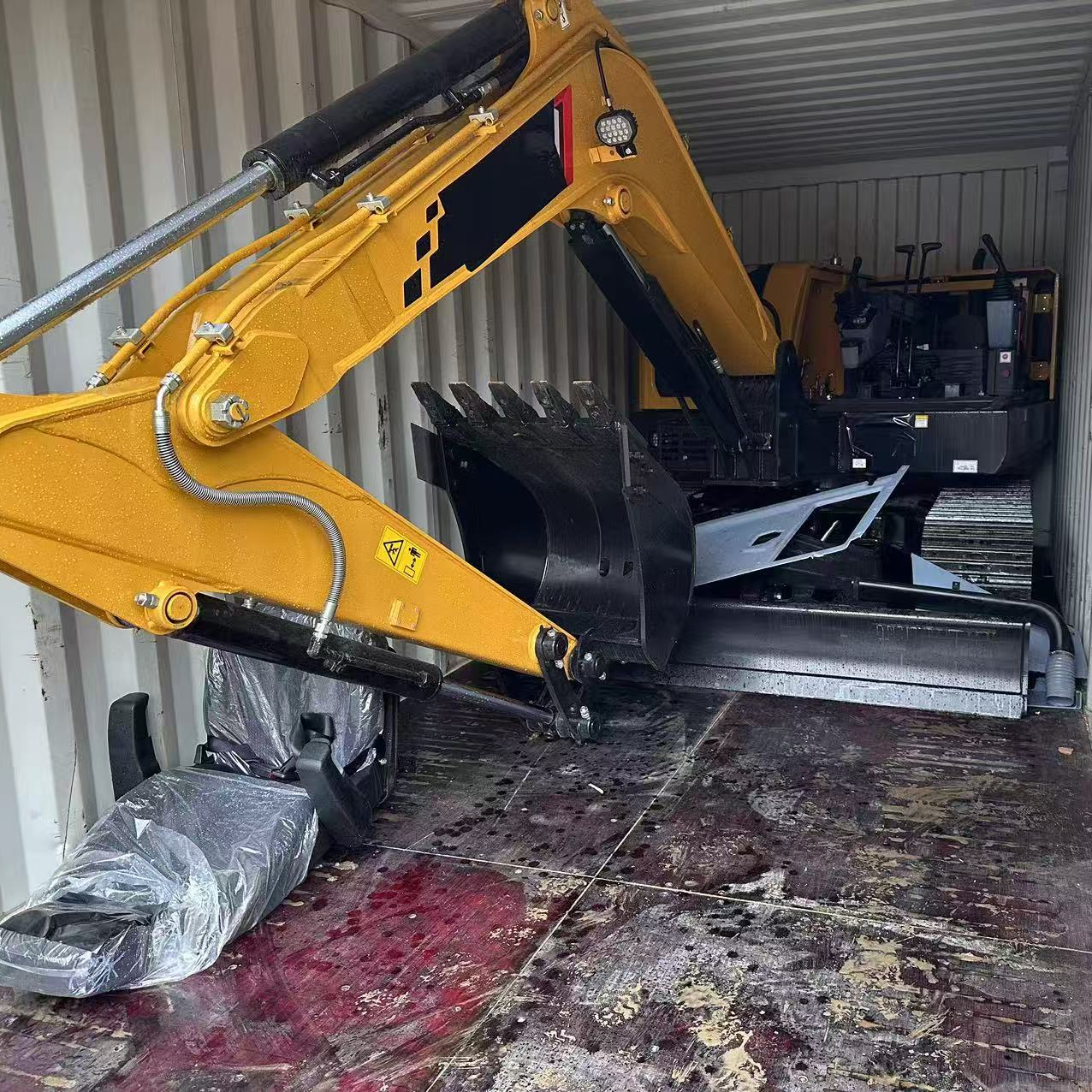
Container shipping is the most cost effective, but only a subset of machines will even fit into a 40-foot high cube container. More importantly, whether the machine you’re considering fits in a container directly affects the landed cost per unit. If a machine can’t fit, it must go by flat rack or RoRo and the difference can be enormous. The Container-Fill & Landed-Cost Planner directly uses a typical number of units per container as one of the many variables determining your landing costs, and so this decision need to be an input to your selection process, not an afterthought.
| Machine class | Example models | Shipping method | Per 40HQ container |
|---|---|---|---|
| 1.5–3 t micro | compact minis | 20ft or 40HQ | up to ~3 units |
| 5–8 t mini | Komatsu PC60, CAT 306E, Kubota KX080, Hyundai R60, Hitachi ZX60 | 40HQ (partial dismantle) | 1 (2 small units some times) |
| 10–20 t medium | Komatsu PC120, CAT 312 | 40HQ or flat-rack | 1 |
| 20–35 t large | CAT 320, Komatsu PC200, Hitachi ZX200 | RoRo or flat-rack | n/a — too large |
| 35 t+ heavy | CAT 336, Hitachi ZX350 | flat-rack | n/a |
Loadability is typical and varies by machine and how far the boom and bucket are dismantled. If a seller quotes you container freight on a 20-ton machine such as a CAT 320, the quote is wrong before it starts, that class ships by RoRo or flat-rack. We confirm the method and the real per-unit cost up front.
Liehuang quotes a landing cost for your selected machines into your chosen location before you make any commitment because of the risk of mistakenly believing the quoted CIF price is the shipped price, an error that can add 30-50% to the sticker price for a first-time importer. They don’t quote lowball freight and expect you to accept later price increases, they cost out all of the components in your RFQ against your actual destinations.
How Liehuang structures payment to protect first-time importers
The typical deposit pattern is by far the best indicator of fraud in this business. Legitimate exporters will ask for a small initial deposit, and for balance upon inspection/shipping. Scammers will ask for 30-50% and then never answer your calls. Liehuang doesn’t take any such risks. A small deposit secures the machine while their team prepares a full pre-shipment inspection report with images for you or your inspector to approve before remitting balance. Payment into our legitimate, VAT-registered company account whose name matches the invoice, and we offer letters of credit for larger orders/first time importers. Prices per-unit and per container volumes are confirmed at time of quotation.
Worldwide Shipping & Export Logistics: From Our Yard to Your Port
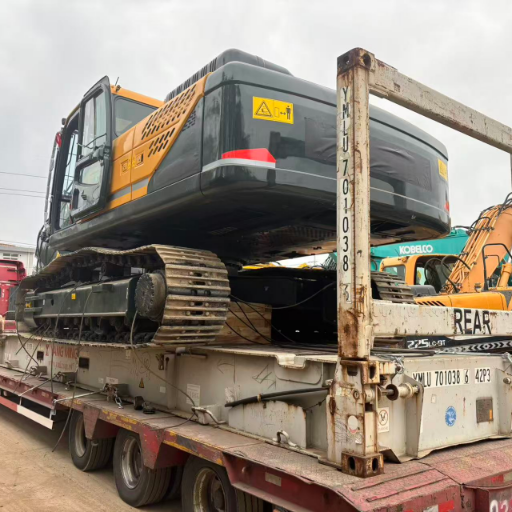
After price and condition are agreed, the other major way that deals can fall apart is after the shipping documents have been sent, during customs, due to missed cargo, or damages sustained in transit. Liehuang prepares shipping documentation in such a way as to pass smoothly through your port. Average transit times by region (in weeks), plus representative container shipping costs, are illustrated below.
| Destination region | Common ports | Transit (avg.) | Container freight (indicative) |
|---|---|---|---|
| Southeast Asia | regional hubs | ~5–12 days | lowest leg |
| Middle East | Jebel Ali, Dammam, Sohar | ~20–28 days | $1,200–2,200 / machine |
| South America | Valparaíso, Callao, Santos | ~25–35 days | $1,500–2,800 / machine |
| Africa | Lagos, Tema, Mombasa | ~30–40 days | $1,300–2,500 / machine |
Figures are example estimates based on current freight guidelines; RoRo will typically be around double the price of container but will ship the machine fully assembled and ready to drive. All shipments include the documents customs actually looks at: Bill of lading, commercial invoice with correct HS codes, packing list with serial numbers and a Certificate of Origin stating China. If your market requires pre-shipment inspection, PVoC/CoC in Kenya, SONCAP in Nigeria, TBS in Tanzania, we arrange an SGS-type inspection before the machine leave, because a wrong HS code can swing your duty rate and a missing certificate can hold cargo at the destination port.
Emissions tiers & your market, an honest export note
Emission-tier rules (US EPA Tier 4, EU Stage V) apply to new engines at first sale, not to in-use machines. However, in highly regulated markets such as the EU, UK and USA, those restrictions will often prevent the import of older second-hand machines; whereas African and most developing markets are content to allow entry on a case-by-case basis based on physical condition and documentation. There’s a sound technical reason for that too; a Stage V or EPA Tier 4 machine needs extremely low-sulphur diesel and/or AdBlue to maintain the operation of the exhaust aftertreatment system and most emerging economies struggle to supply this diesel at 15ppm maximum sulphur content consistently or simply don’t have the necessary AdBlue infrastructure. Many Tier 1-3 machines require less-specialised fuel and are therefore a more pragmatic and cost-effective long term investment, and we tailor the emission tier of the machine to the destination market – we simply won’t attempt to ship a machine that will be prohibited or unmaintainable in your target country.
Where Our Machines Work: Export Deliveries by Region & Application
Selling second hand excavators online is about relationships and trust, and this is best reflected in placing machines with customers who we know match them with the local work in their region. Instead of abstract testimonials, this map of our current stock to the demand in our shipping destinations show how our dealers are themselves building successful resale businesses.
-
East & West Africa
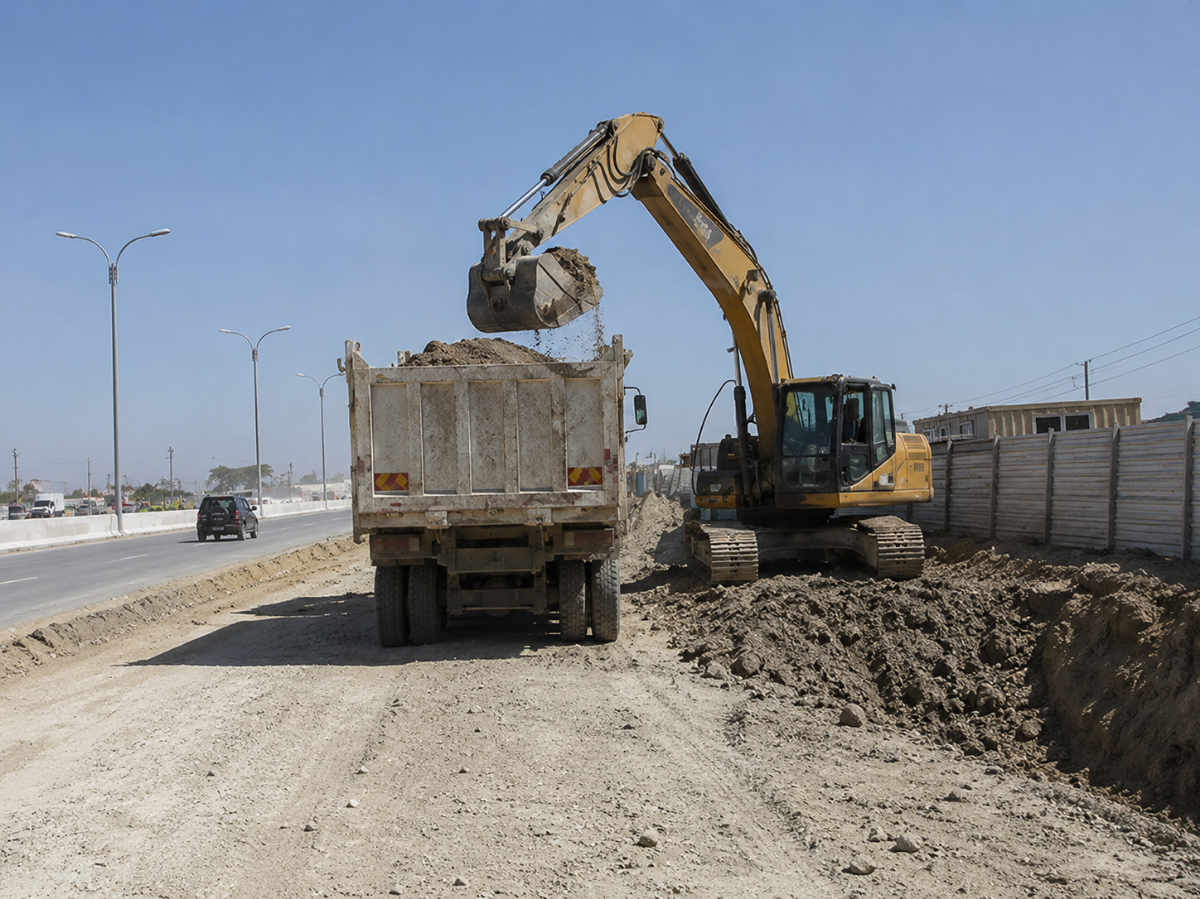
CAT and Komatsu medium excavators (320, PC200 equivalent class) for roads, buildings and quarrying businesses; in places where the parts backup and machine endurance is valued above the newest, most recent emission standard.
-
South East Asia
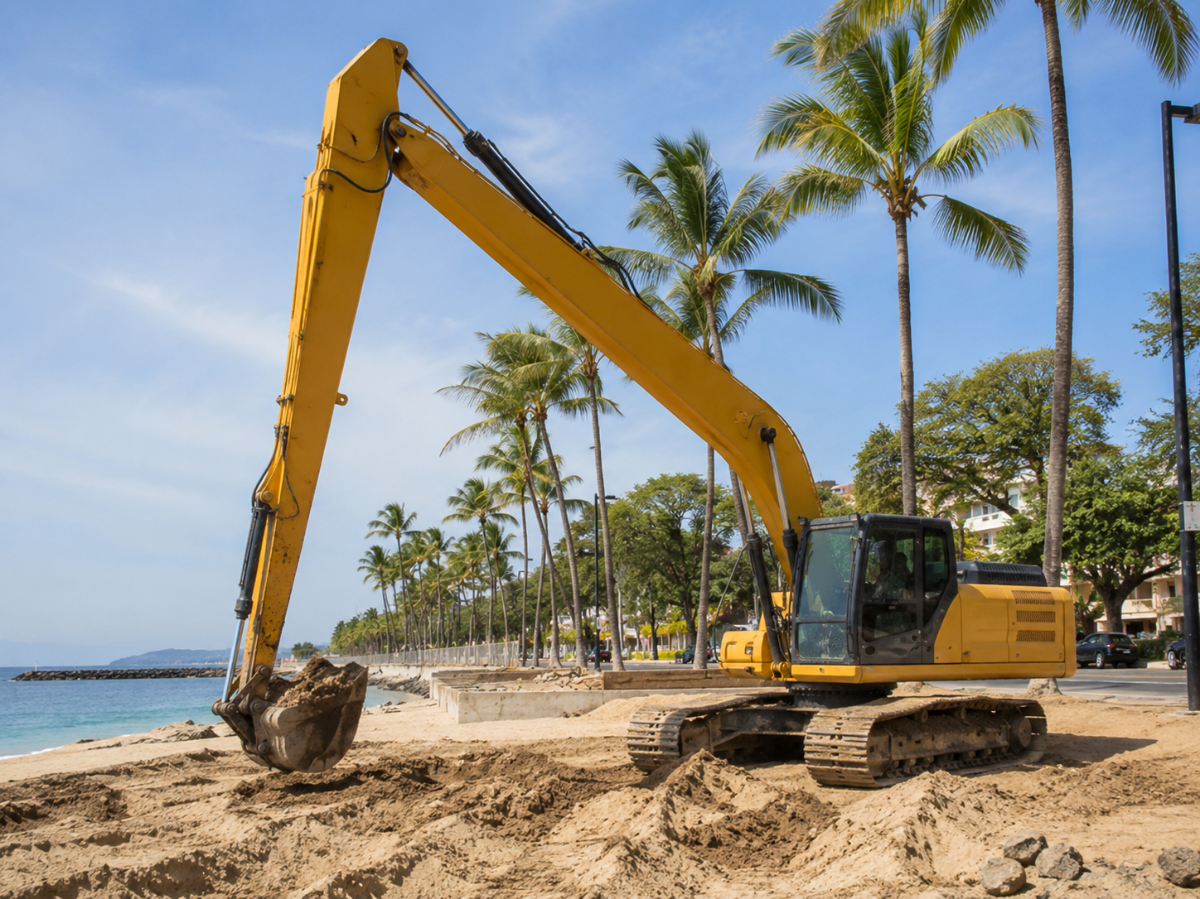
mini and midi excavators (Kubota, Sany, Hitachi ZX series, Yanmar) for construction, landscaping, plantations and urban drainage; including buyers who want a used mini excavator for sale in China shipped fast on the short 5-12 day sea leg.
-
Middle East
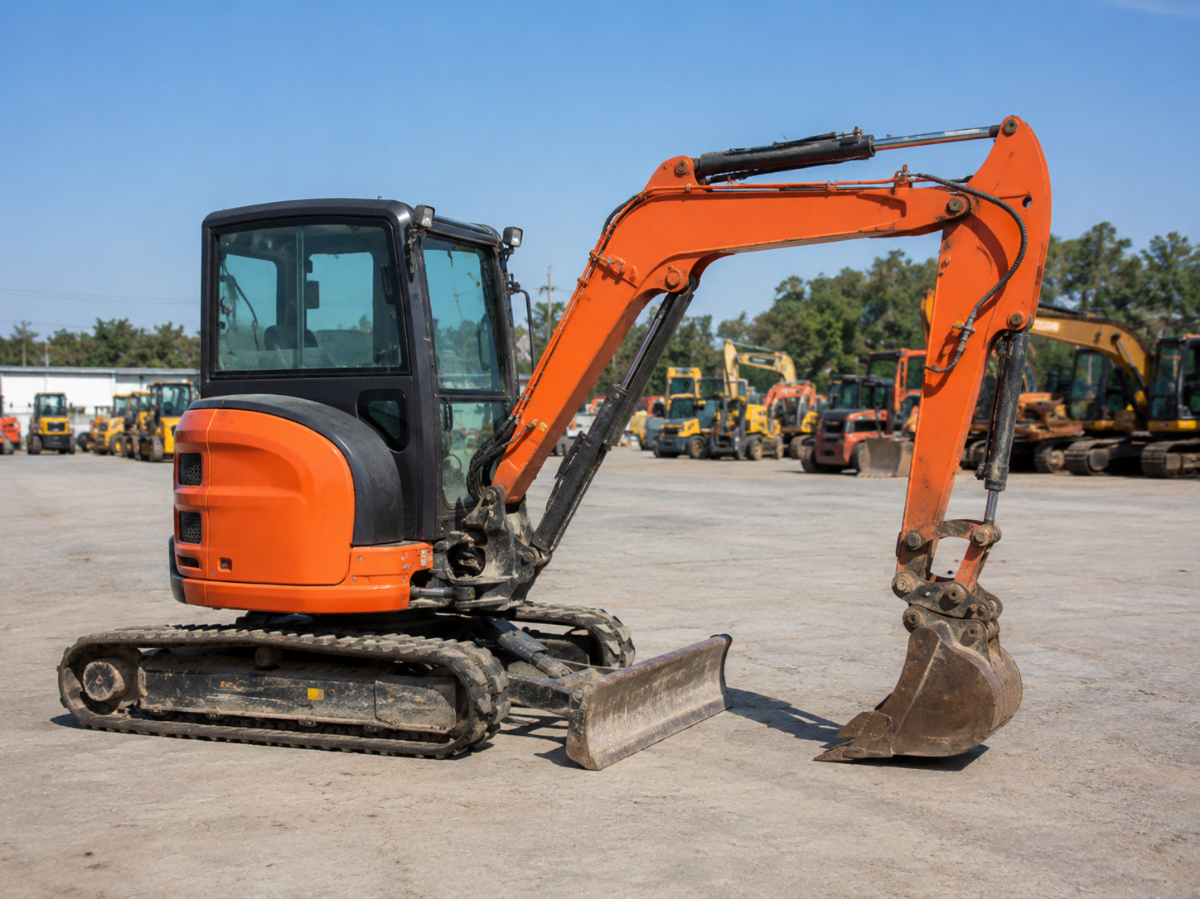
We ship to Jebel Ali (UAE) for onward distribution through out the Middle East. heavy crawlers from Volvo, Doosan and Caterpillar for construction and earthmoving projects.
-
South America
mixed medium to heavy excavator stock for dealers servicing the civil and mining markets, offered in container or Roll-on/Roll-off service to both the Pacific and Atlantic coasts.
As most dealers’ purchasing decisions are heavily weighted towards seller reputation – an importer said: “there are some vendors that look honest to work with, and others that you can tell you need to be cautious with” – serious enquiries from potential buyers from specific regions are welcomed and we’re happy to put them in touch with contacts and existing customers in their own countries who can vouch for our business. After all, our willingness to provide such references is a positive indication for anyone transacting this kind of cross-border business.
Liehuang matches each machine to its destination market, because a unit that suits one region can fail in another, an emissions tier or a parts gap that reads as minor on paper becomes an expensive risk once a 20-ton machine is on site. Unlike a generic listing pushed to every market, every Liehuang shipment is specified to the buyer’s region, and we’ll share a tailored stock estimate on request.
Building inventory for a specific market?Ask for references and current stock in your region →
Procurement Planning Toolkits
FAQ, Buying & Importing Used Excavators From China
Is it safe to buy used excavators from China?
Yes — with safeguards. Insist on a serial-numbered condition report, a cold-start walkaround video, balance-due-only-after-inspection terms, and contactable references. Liehuang builds all four into every order.
How are used excavators shipped internationally?
Small machines and most medium-sized machines ( up to about 20t ) will fit in a 40-foot HC container with partial disassembly , larger crawlers will be transported in RoRo or on a flat rack. The transit time to the Far East is about 5-12 days, to the Middle East 20-28 days, to South America 25-35 days and to Africa 30-40 days. We handle loading, lashing and the full export document set to your port.
What should I check before buying a used excavator?
Read it on two clocks: the engine (hours, smoke colour, compression, oil condition) and the undercarriage (track, roller, sprocket and idler wear — up to 50% of lifetime maintenance cost, and the single biggest repair item on a tracked machine). Verify the hour meter against actual wear and any service history rather than trusting the number alone, test every hydraulic function under load for drift or leaks, and check the slew bearing and final-drive oil. Our 6-stage protocol documents all of this per unit, with photos and a cold-start video tied to the serial plate.
How many hours is too many, and is a low-hour machine always better?
No, a low-hour machine that was neglected or left sitting can be a worse buy than a higher-hour machine with full service records. Engines and hydraulics dislike sitting idle. The practical sweet spot for most used excavators is mid-life with documented maintenance, and how the hours were earned (rock quarry vs. landscaping) matters as much as the count.
Which brands are most reliable for used excavators?
Caterpillar, Komatsu, Hitachi, Volvo and Kobelco all command high resale value, and Japanese-built machines — even John Deere’s, which are Hitachi-built — are held in high regard for control and durability. Kubota leads on parts for compact machines. We stock these major brands, so the model can follow your market’s demand and parts support.
What are the real costs beyond the purchase price?
All factors in the “landed cost”- freight, port, clearance and duty/import tax (varies wildly by country), and inland transport/local delivery- often add up to 30% to 50% to the base machine price. We provide a landed cost estimate upfront and make certain that CIF is understood and to avoid demurrage.
Payment protected by staged delivery proof
Pay the balance after machine proof, not on blind trust.
Used excavator buyers need more than a product photo. Liehuang uses a staged payment workflow: deposit to reserve the machine, inspection evidence before balance, and export documents plus shipment tracking before release.
Verified machine videoLoading and customs filesBalance paid after confirmation
Quote & machine selectionChoose the model, hours, attachments and export destination before we reserve stock.
Deposit to lock stockA deposit holds the exact machine while inspection media and documents are prepared.
Inspection proof sentReceive walkaround video, hour-meter photos, serial details and loading plan.
Balance after confirmationPay the remaining balance only after you confirm the machine condition and export evidence.
Shipment & customs trackingWe share loading photos, bill of lading progress and customs support until release.
For high-value used equipment, trust is built by evidence. Ask for the current stock list, payment schedule and export document sample before you decide.Request stock proof